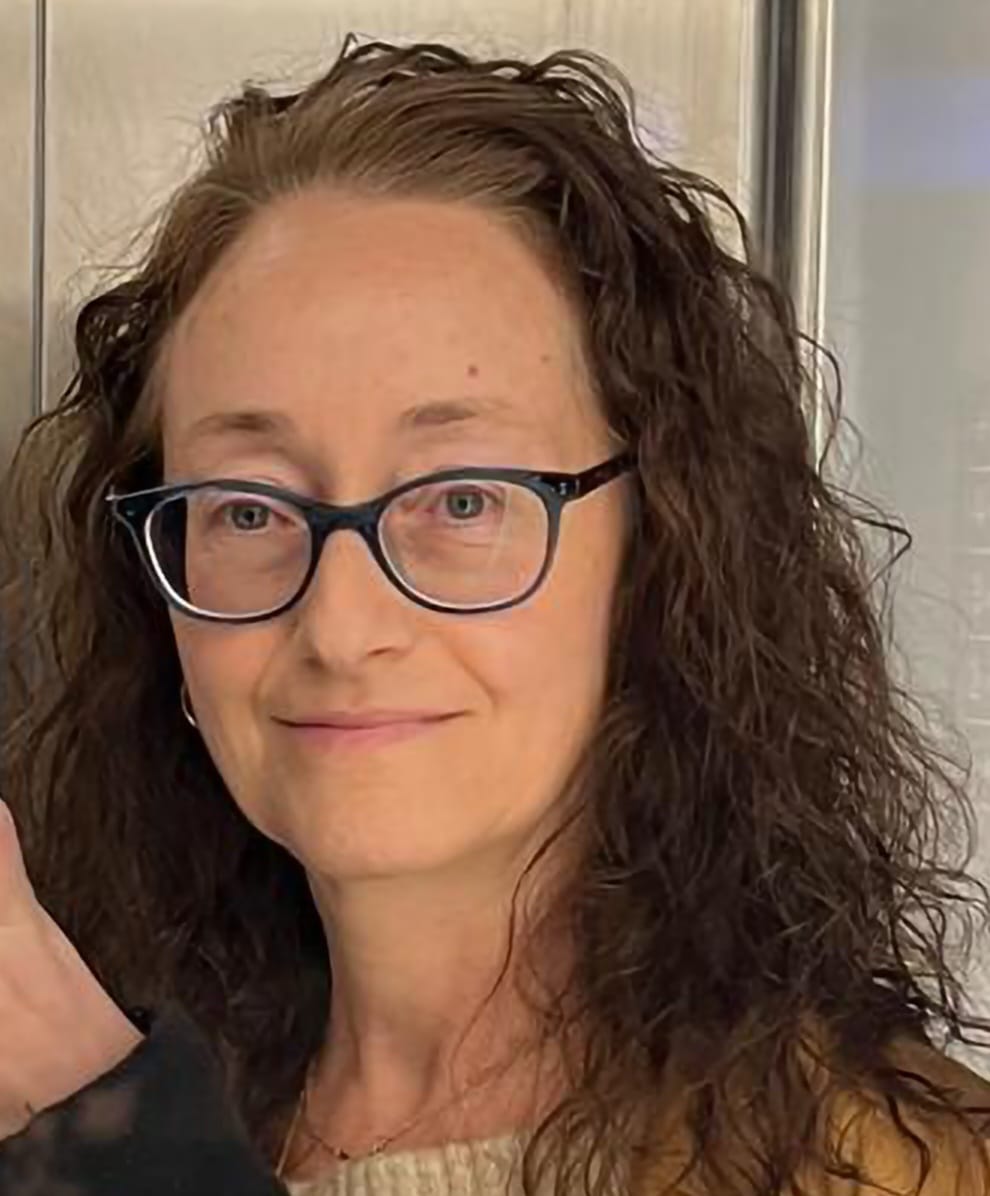
Department Head:
Dr. Gila Amitay
gilaa@yvc.ac.il
Introduction
The Graduate Program in Rehabilitative Criminology is designed for those who strive to acquire a profession of significance, impact, and social responsibility. Rehabilitative Criminology focuses on the rehabilitation of both offenders and victims of crime through a social-community orientation. Such an orientation involves interventions aimed at reducing high-risk behaviors among adolescents and adults and leveraging the individual’s personal, social, and community resources.
The objectives of Rehabilitative Criminology include reducing criminal and maladaptive behaviors; rehabilitating individuals facing difficulties in interpersonal communication, whether within their families, their original communities, the broader society, or other social groups; building physical, mental, psychological, and spiritual resilience; and designing an inclusive and just society and social services to facilitate successful integration into the community and society.
The curriculum combines theoretical and practical knowledge regarding group and social-community interventions. These interventions aim to rehabilitate individuals and rebuild social institutions and work together to integrate marginalized and delinquent individuals into normative, adaptive functioning, with a strong emphasis on community integration. The rehabilitative criminologist holds a dual role: transforming an individual’s coping mechanisms to improve their social adjustment and psychological well-being, while simultaneously fostering a healthy, enriching, and supportive social environment.
The curriculum emphasizes the rehabilitation, integration, and guidance of populations at risk of deviance and delinquency. This includes youth who have dropped out of formal educational frameworks, individuals struggling with substance abuse and addictions, offenders and their families, and formerly incarcerated individuals. Additionally, certain courses focus on victims of crime and their rehabilitation.
Objectives of the Graduate Degree in Rehabilitative Criminology
The program aims to train professionals in the field of rehabilitative criminology to work within various rehabilitative settings, serving both youth and adult offenders and victims, as well as individuals struggling with addiction, to help them break the cycle of crime and addiction and function optimally within society. The curriculum is designed to facilitate professional specialization in rehabilitation, incorporating practical experience (practicum) across a range of rehabilitative settings, both within the community and in correctional facilities. During their studies, students will become familiar with the range of characteristics of young and adult offenders, as well as at-risk and marginalized populations. They will learn to examine and assess the needs of the individual undergoing rehabilitation, including their personal and social capabilities and traits, and to evaluate various formal and informal intervention methods to tailor them to the specific needs of those in the rehabilitation process.
Target Audience for the Master’s Degree in Rehabilitative Criminology
The program is designed for holders of a bachelor’s degree in criminology, as well as in related fields within the social sciences and law. Students with a bachelor’s degree in a field other than Criminology will be required to complete supplementary courses offered by the Department of Criminology.
Research
The department’s faculty conducts research in various fields related to criminology and victimology. This includes rehabilitation of offenders, convict therapy, juvenile delinquency, intimate violence, femicide, cybercrime, criminal law, alternative methods for settling criminal disputes, restorative justice, sexual offences, youth at-risk and distress, poverty-awareness practices, gender-sensitive and trauma-informed work, terrorist crimes, positive criminology, spiritual criminology, forensic psychiatry, addiction, clinical criminology, murder and murderers, violence among the mentally ill, violence risk assessments, victims of crime, traumatic events and post-traumatic stress disorder, and other relevant areas.
Faculty
Department Contact Information
Ms. Shlomit Turgeman
shlomitt@yvc.ac.il
For additional information in Hebrew see >>